On a day in late 1996, after four years since its establishment, “The Nam Long Housing Program” was presented by Chairman Nguyễn Xuân Quang to relevant authorities, the city’s chief architect, the deputy minister of construction, the press, and early supporters of this groundbreaking idea to establish a housing market. At the time, he did not realize it would become one of the company’s first declarations about becoming a professional integrated real estate developer
The Nam Long Housing Program was carried out quickly. In 1996, the An Lac project in Binh Chanh introduced a basic residential model with subdivided plots. By 1998, the first houses under the program were launched, gradually evolving into urban clusters with projects such as Phu Thuan and Tan Thuan Dong, as well as residential areas like Phuoc Long B and Hung Thanh – Can Tho. Later, villa communities like Thao Nguyen Sai Gon and Nam Phu,… made a significant mark with integrated housing and superior amenities.
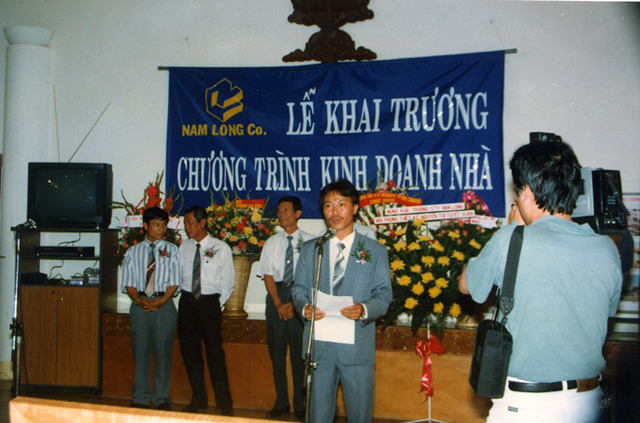
Nam Long entered the real estate sector in 1996 with the “Nam Long Housing” initiative
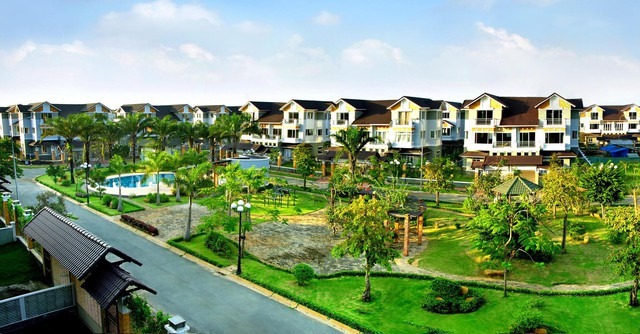
The Nam Phú villa community (2006) by Nam Long was one of the first compounds in Ho Chi Minh City.
The idea of developing a satellite integrated township to relieve population pressure in Ho Chi Minh City began in 2003 when Nam Long embarked on an unprecedented project spanning hundreds of hectares. Driven by the vision of “Being a part of the development of townships in Vietnam,” Nam Long conducted extensive research, visiting integrated townships worldwide, particularly in countries with development models similar to Vietnam’s, such as Singapore, Thailand, Malaysia, Indonesia, and the Philippines, etc. starting with a detailed study of global best practices.
Nam Long’s first and largest integrated township is Waterpoint, spanning 355 hectares, which has been fundamentally planned with professionalism over the past 15 years. Nam Long invited leading experts from the region, collaborating with global consulting partners, and organized an international planning competition judged by an esteemed international panel.
Nam Long understood that given its relative inexperience in the market at the time, they needed to learn from pioneers, especially urban planners who had previously executed large-scale townships and utilized international standards for validation. As an architect and planner, Chairman Nguyen Xuan Quang stated, “To develop a township of enduring value, ensuring that many future generations have a place to call home, a sustainable living environment is essential. Alongside the mandatory financial aspect, the most crucial factor is to achieve high-standard planning. After that, it is vital to have visionary architects, developers, and consultants. Therefore, despite the preparation for township development taking decades and facing considerable pressure from investors during challenging market periods, Nam Long remains steadfast in building this foundation systematically and professionally.”
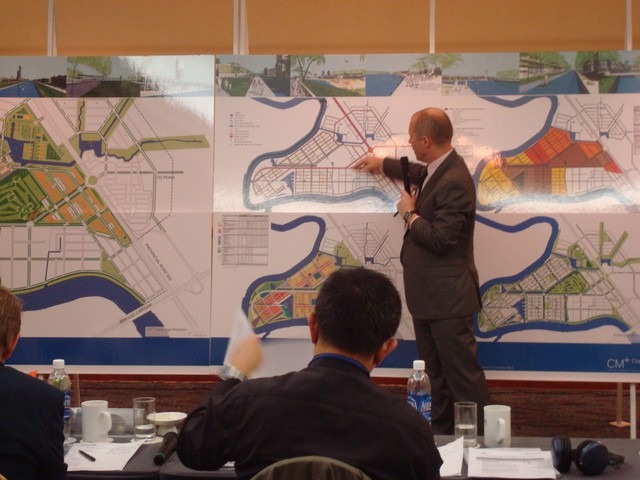
The representative of Conybeare Morrison (CM+) from Australia presented the Waterpoint planning proposal in 2005, meeting criteria that respect and preserve nature, foster community, and promote sustainable development.
Nam Long’s investment in township development has been fruitful. The experiences gained from the development of Waterpoint were “replicated” in other projects. Besides Waterpoint, Nam Long is simultaneously developing several small to large townships across different provinces, including Izumi City (170 hectares, Dong Nai), Mizuki Park (26 hectares, Ho Chi Minh City), Nam Long Central Lake (43.8 hectares, Can Tho), and Nam Long Dai Phuoc (45 hectares, Dong Nai).
Nam Long has also appointed several members to the Board of Directors and Board of Management, bringing international expertise in managing and developing large-scale real estate projects from the United States, Malaysia, Singapore, and other countries. Their guidance helps Nam Long apply global development models while cultivating a skilled workforce to ensure the professional and standardized execution of urban projects, with the goal of “developing township in a professional and exemplary manner.”
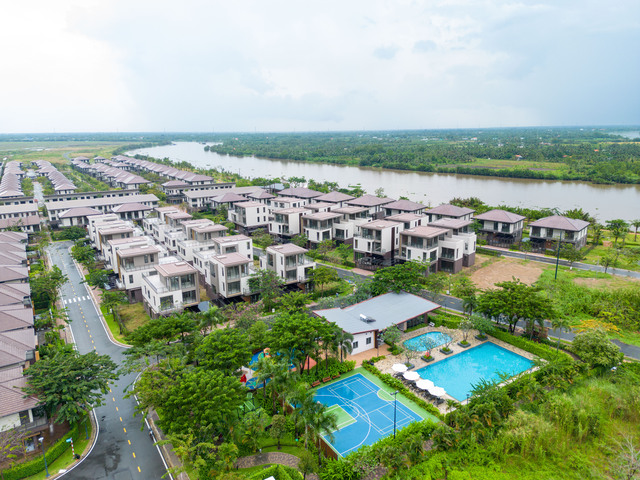
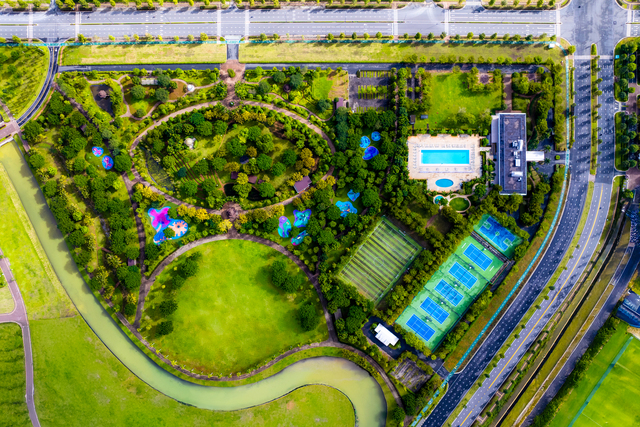

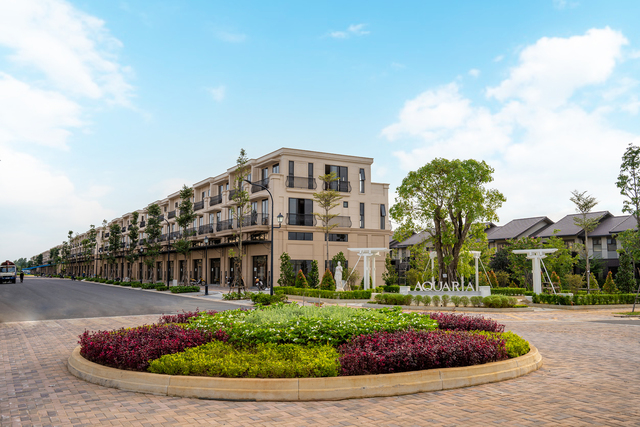
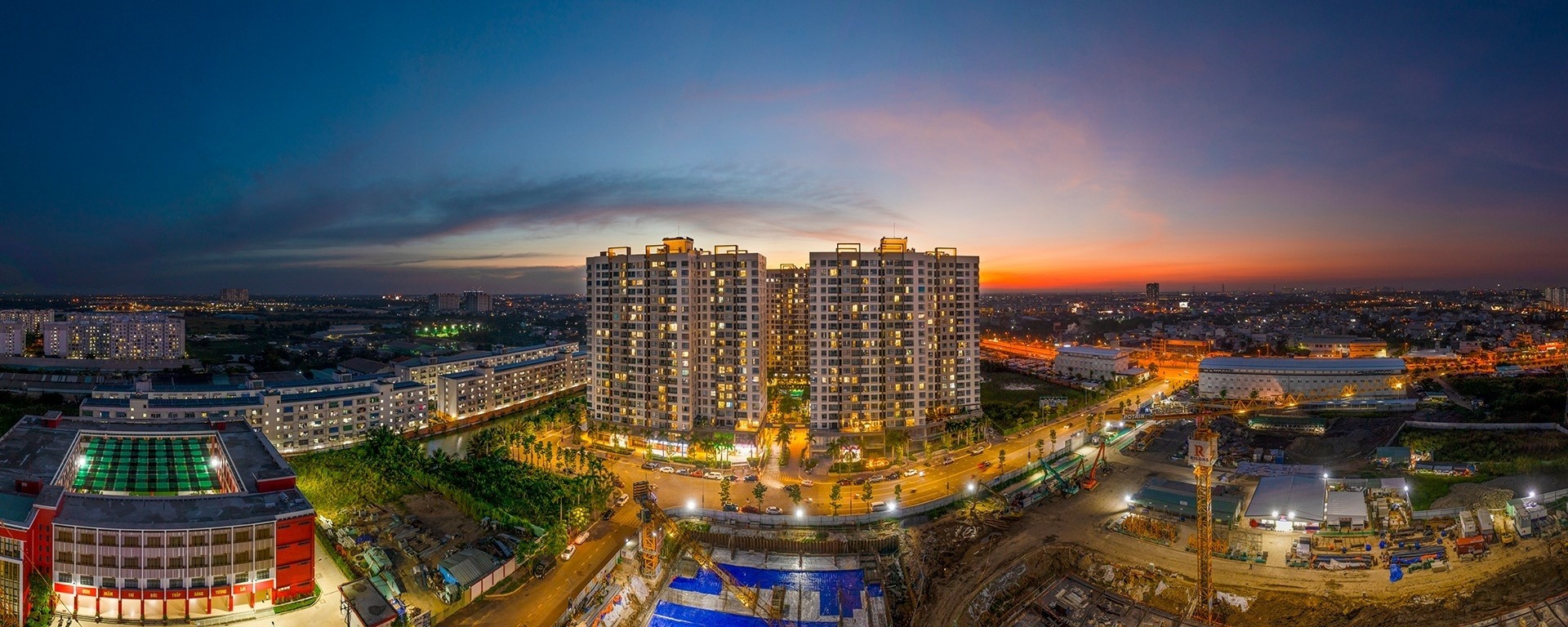
Waterpoint, Nam Long’s largest integrated township to date, has become a symbolic township in Long An.
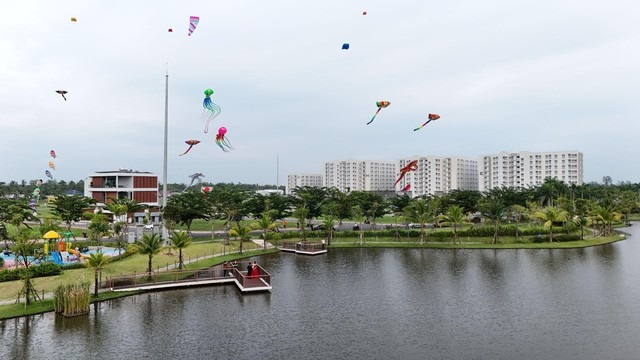
Nam Long Central Lake, spanning 43 hectares, has become a weekend destination for the people in Tây Đô.
Mr. Lucas Loh, CEO and a leader with over 20 years of experience managing a prestigious multinational real estate firm in Singapore, stated: “I chose to become a member of Nam Long because I believe my experience can add value and help Nam Long grow and contribute to the nation. Specifically, in township development, alongside residential projects, Nam Long needs to develop a commercial real estate ecosystem with better amenities and services to meet the increasingly high demands of the people. This requires a different set of capabilities among Nam Long’s personnel, which I aim to develop.”
Instead of immediately building schools and hospitals, as some investors do, Nam Long opts to collaborate with professionals in their respective fields. Over the past year, Nam Long’s commercial real estate and service sector has partnered with Khai Sáng Group (education), SanHa, Kingfoodmart (supermarkets), Saigon MTV Hospital, and reputable local F&B enterprises like Trung Nguyên to operate within integrated townships. Once again, “professionalism” is prioritized in Nam Long’s selection of partners to serve its residents.
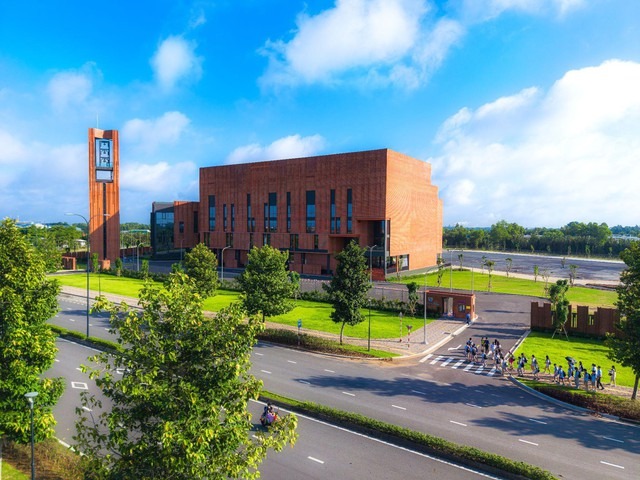
The EMASI Plus bilingual boarding school, accommodating 1,800 students, will commence its first academic year in August 2024 at Waterpoint
In the upcoming integrated township developments, Mr. Lucas Loh emphasized three key factors: “Developing a sustainable living environment, building a community with a unique lifestyle, facilitating easy regional and internal connectivity.”
Nam Long’s townships feature advanced planning, including separate lanes for pedestrians, cyclists, and regular traffic. They also boast high-end amenities such as bus routes connecting projects to the city center, clubs with swimming pools, outdoor sports areas, and international-standard tennis courts. Nam Long’s townships have become venues for local running events, New Year’s Eve fireworks, and vibrant festival activities.

“What needs to be done is for Nam Long to optimize the customer experience. How can residents reach the bus station on a pleasant, shaded path and feel like the supermarket is just a few steps away? These are the challenges we are addressing to enhance our townships to meet international standards.”
For the founder, Chairman Nguyen Xuan Quang, his vision is clear: people aspire to live healthy lives. Health holds more value than wealth or possessions. Developing a township where residents are healthy, happy, and always smiling is his lifelong mission and the organization’s core value.
Source: CafeF